A Christmas Tale from 1966
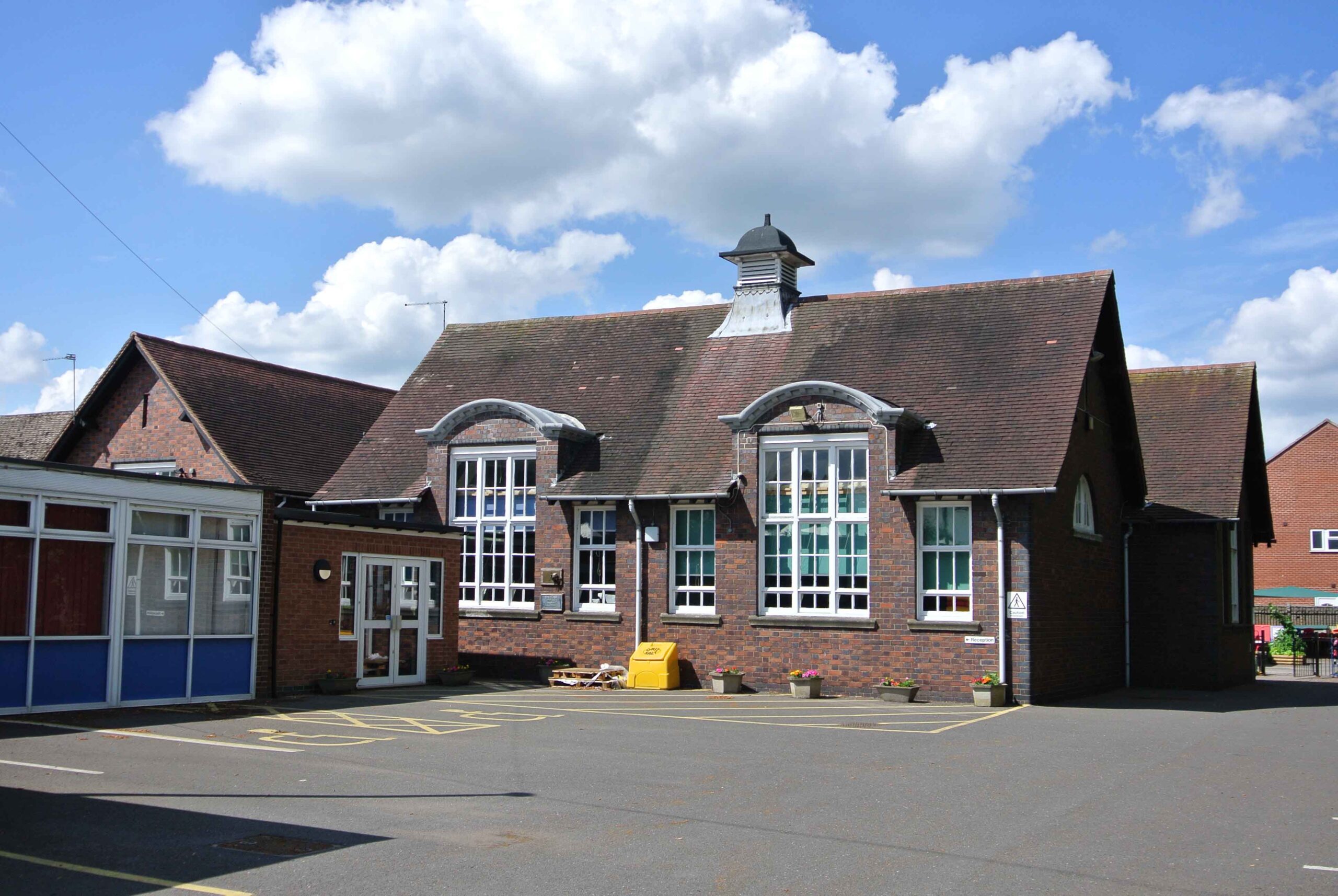
Ask anyone born in the 1950s to name a golden year, and 1966 would likely top the list. That summer, we all cheered as Bobby Moore lifted the World Cup, and back in Newbold Verdon, new houses were springing up. At home, we had our first car—an old Ford Consul that could just about take us to Matlock.
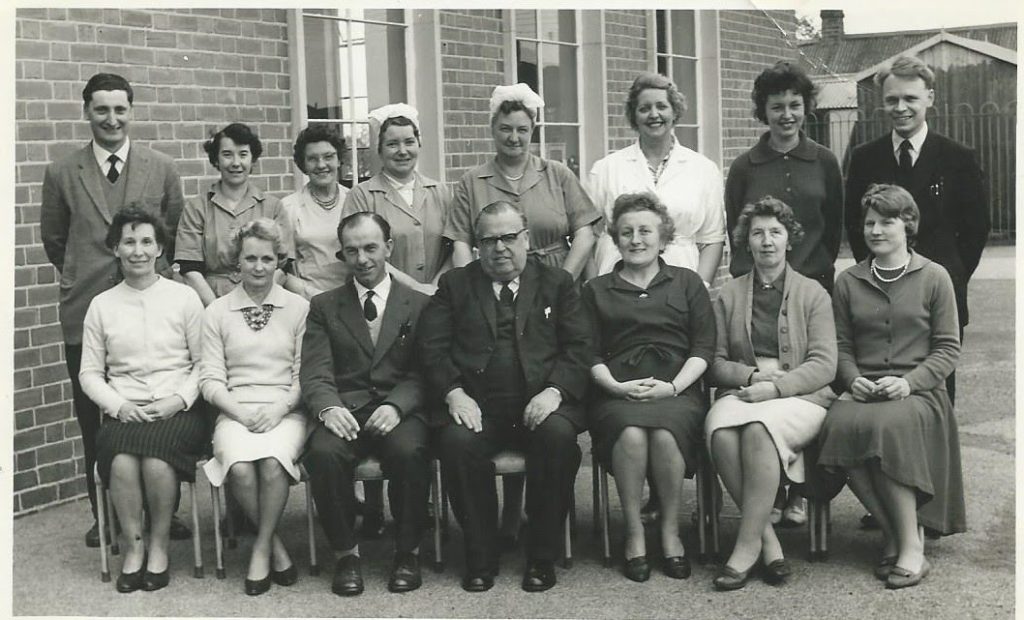
But not everyone shared in the good times. To explain, let me take you back to Benny Clinton’s class – year 6 at Newbold Verdon Primary School. It’s the final day of the Autumn term, with Christmas just around the corner…
As home-time nears, and thoughts turn to Christmas, the classroom chatter grows louder—until Benny has had enough.
“Excuse me!” he calls out, silencing the room. “This class sets the standards for behaviour. If that is clear, you may now leave—but do so quietly!”
Then: “Except Brearley. I need a word.”
My classmates whisper, “What’s he done?” as I gingerly approach Benny’s desk, bracing for trouble. Benny wears his stern face, then suddenly smiles once the room is clear.
“You’re not in trouble. I’m needing your help.”
Relief floods in – this is one of Benny’s favourite tricks.
“Your Christmas plate will be full, but not everyone’s will. We’ve gathered some items for those in need. You’ll help deliver them—but with discretion. Do you understand?”
“I need to keep quiet about it, Sir.”
“Exactly. That is what I expect.”
Next morning, I return to school to find desks piled with tins, cakes and crisps. Some ladies have carrier bags and the addresses of those in need.
At my first stop, a nervous woman ushers me into her porch, picks a few tins, then checks the coast is clear before letting me out. At the next, I’m greeted with “Come on through, the doors open!” and a beaming smile from a lady in a wheelchair. She takes a couple of items, then wants to chat—especially once she hears my grandad is Frank Hill.
“Oh, I do miss Bingo nights at the ‘Stute. But I can’t get there now with these blasted knees.”
At my final visit, a woman about my mum’s age thanks me and leads me to a spotless kitchen. She carefully inspects each item and places it neatly on an empty worktop. Then the door opens. A girl from my class enters the room; our eyes meet before she looks down at her shoes. She quickly leaves, slamming the door. I go to say something to her mother, but no words come out.
“Don’t worry, she will get over it. She should be pleased you came to help us.”
Once outside, the street looks unchanged—but everything feels different now. At home, Mum asks how it went. “It was ok,” I say quietly. She nods, and we never speak of it again.
Sorry for breaking my promise, Benny. I expect I’ll be called back to your desk again once I fall asleep tonight!
Neil Brearley, November 2025