Newbold People No 3: Lady Mary Wortley Montagu (1689 to 1762)
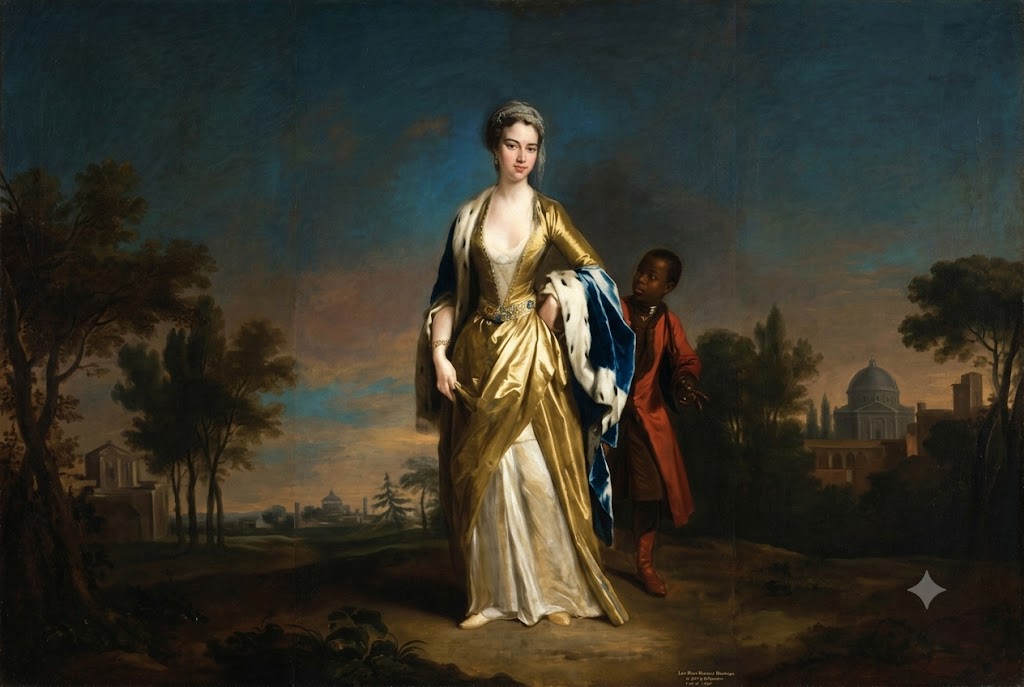
The third person in our Newbold People series, Lady Mary Wortley Montagu, was born over 300 years-ago, and yet what she did in her life is still impacting upon the world today.
A forthright, intelligent woman, she played a pivotal role in introducing smallpox inoculation to Britain. Born into the aristocratic Pierrepont family of Nottinghamshire, Mary married Sir Edward Wortley Montagu in 1716. Through this union, she became connected to Newbold Verdon Hall, which Edward inherited in 1748, on the death of his cousin, James Montagu.
Many years before the estate came into their hands, the couple had travelled extensively in Europe and lived in Istanbul where Edward was the British Ambassador. It was there that Mary witnessed a life-changing medical practice- one that would change her life and countless others.
A Smallpox Party: Lady Mary’s Lasting Legacy
As a teenager, Lady Mary survived smallpox but was left permanently scarred. Her brother died from the disease, which claimed one in three lives and often left survivors blind or disfigured. In early 18th-century Britain, there was no known prevention or cure—until Mary witnessed a remarkable practice in Istanbul.
For many years, the wealthy of Istanbul organised “smallpox parties” just before the disease’s seasonal rise. They were conducted by older women, who scratched or slightly punctured the arms of those being inoculated. The women then introduced into the wounds matter from smallpox pustules of those who had only mild cases. This was enough to trigger a mild infection which would stimulate the inoculated person’s immune system, helping the body build immunity.
So impressed was Lady Mary with the results that she ordered the embassy surgeon to inoculate her 5 year old son, Edward. The process would come to be known as variolation – Vario being the Latin for smallpox.
Returning to London in 1721, during a serious outbreak, Lady Mary tried to persuade her friends, including members of the royal family, to be inoculated. To prove its safety, she instructed her doctor to carry out the procedure on her 3 year old daughter in front of witnesses. This was successful, as were trials on prisoners and orphaned children, and it led to the first inoculation campaign in Britain.
Despite fierce opposition from the medical establishment—who criticised Mary’s lack of credentials and the foreign origins of the method—variolation was used for 75 years in Britain and America. Its success paved the way for Edward Jenner’s breakthrough in 1796: using cowpox to safely prevent smallpox, a process he named vaccination.
Lady Mary died in 1762, leaving Newbold Verdon Hall and estate to Edward her son, the first Briton to be inoculated. Sadly, his legacy would bare no comparison with his mother’s, as he squandered his inheritance, eventually selling off the Hall and estate to pay off gambling debt.
In 1980, the World Health Organisation declared that the deadly disease of smallpox had been eradicated from the earth. It paid tribute to Lady Mary for leading the way in encouraging mass inoculation.
To learn more about Lady Mary’s connection to Newbold Verdon Hall, please click HERE to see our detailed article.